Roof Repair
The crew focuses on matching existing materials and leaving the property as clean as it was found. Each repair is scoped after an on-site assessment rather than from photos alone.
Get a quoteRoofing · Bishopville, SC 29010
National Roofing Center handles roofing work across Bishopville and Lee County.
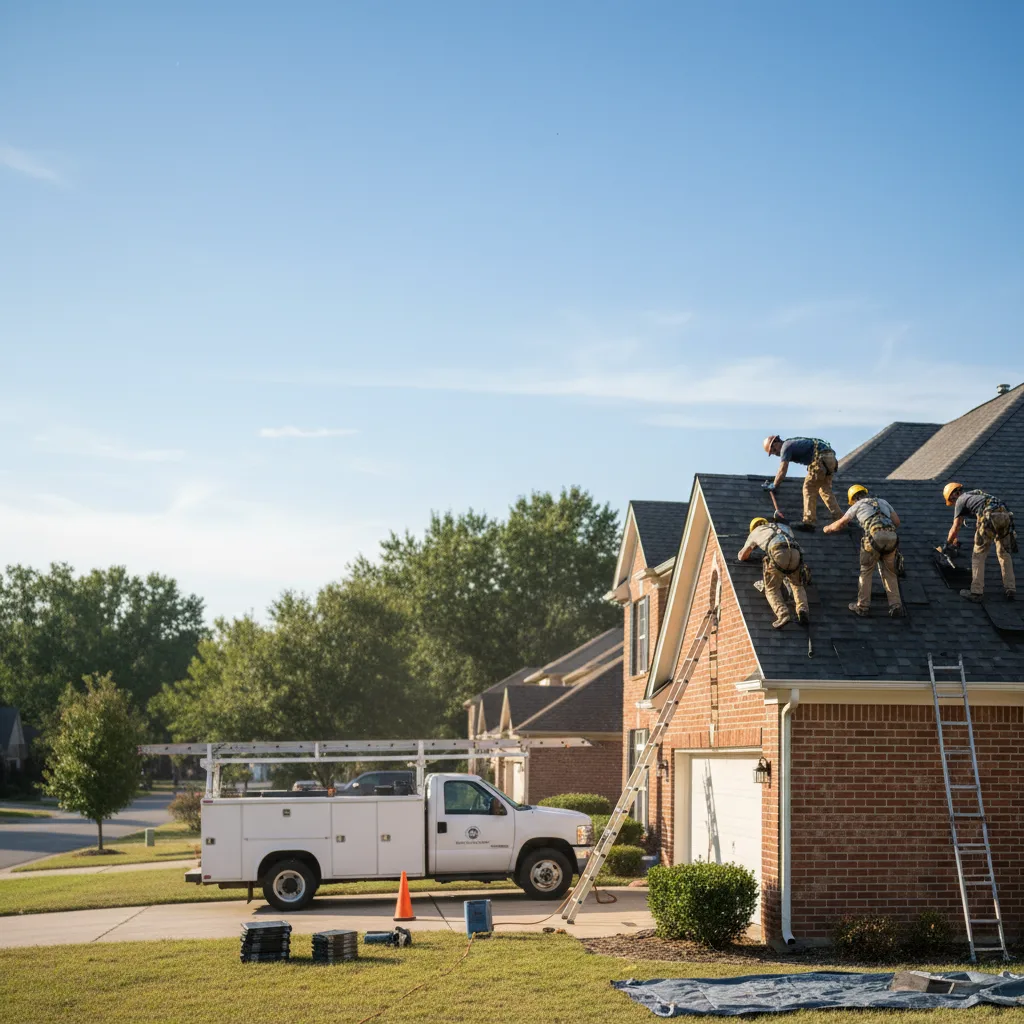
Every roof receives a close inspection of shingles, flashing, and underlayment before any repair plan is created. This step reveals hidden damage that might otherwise be missed.
We source replacement shingles and sealants that align with the existing roof age and style. Roof replacement helps maintain appearance and performance over time.
Nails, debris, and old materials are removed from the property at the end of each visit. The work area is left clear for daily use.
Services
The crew focuses on matching existing materials and leaving the property as clean as it was found. Each repair is scoped after an on-site assessment rather than from photos alone.
Get a quoteNational Roofing Center focuses on removing existing layers completely when needed and installing new materials to current manufacturer standards. Crews document the condition of the deck and flashing before covering them again. The team often pairs this work with roof maintenance visits or emergency roof repair calls to keep homes protected year-round, and they coordinate roof installation projects when full replacement is the best path forward.
Get a quoteWe measure existing conditions on site, document findings with photos, and present replacement options before any materials are ordered. Crews follow the same order of operations on each project so the deck, flashing, and ventilation receive attention in the correct sequence.
Get a quoteTechnicians follow a fixed checklist that covers every accessible roof component. Reports include photographs tied to specific locations rather than summary statements.
Get a quoteAttention is given to matching existing materials and to documenting findings so homeowners have clear information for any insurance discussions. The sequence of steps is explained before work begins.
Get a quoteCrews document every roof plane with photos and measurements so recommendations rest on what is actually present. Materials selected match the existing system to avoid compatibility problems during later repairs.
Get a quoteCrews follow a documented inspection sequence that records both the reported symptom and any additional findings. Materials are selected to match the existing roof repair needs rather than using a single universal patch product. Written summaries are left with the property owner for their records, and ongoing roof maintenance is often recommended to prevent future issues.
Get a quoteThe team brings portable roll-forming equipment so gutter lengths are cut to fit the actual fascia rather than ordered in preset sizes. This reduces the number of seams and allows immediate adjustment if an obstruction is found during removal of the old system.
Get a quoteWater stains on ceilings often point to failing shingles or worn flashing around chimneys and vents. A visual check from the ground may show missing granules or curled edges, but an attic inspection can reveal daylight coming through gaps. Once those areas are located, damaged sections are cut away and new material is fitted to restore the seal. Homeowners sometimes notice increased utility bills during temperature swings because air leaks through compromised spots. Early maintenance keeps the rest of the structure dry and limits the spread of rot in decking.
The process starts with clearing loose debris and confirming the extent of any moisture intrusion. Flashing is checked next because it is a frequent source of entry points at valleys and wall intersections. Small cracks in sealant are filled, while larger areas may need new underlayment sections installed beneath the shingles. Final verification includes a walk-around to ensure no fasteners remain on the ground.
Why us
The same standard of work in every town we cover
We handle roofing work for homes and businesses throughout South Carolina. Each job is assessed on site before anything is quoted, and the person who does the assessment is the person who carries out the work.
Every project begins with an in-person inspection to confirm exactly what needs to be done
A written outline of scope and cost is provided and approved before any materials are ordered
Common roofing components are kept on hand so most repairs can proceed without waiting for deliveries
All removed materials and debris are cleared from the property unless other arrangements are requested

Our process
The sequence begins with an assessment call and ends once the repaired sections are confirmed dry. Each phase builds on the last so nothing is overlooked.
Asphalt shingle roofs are the most common in the area, yet some properties have metal panels or tile that require specific fasteners and sealants. When a leak appears near a skylight, the surrounding flashing is often the culprit rather than the glass itself. Storm damage repair crews carry a range of patch materials so the correct product can be selected on site without delay. Older homes may have multiple layers already in place, which changes how new sections are secured.
Pitch of the roof determines how much staging is needed and how quickly materials can be moved. Access from the street or neighboring trees can also influence the setup. Once the damaged zone is isolated, the crew focuses only on that section unless surrounding areas show early wear that should be handled at the same time. This targeted approach keeps the job contained.
The type of soil under a house decides how much its foundation moves over the years. Homes throughout Bishopville are built on sandy, fast-draining soil. Weather sets the pace of wear on shingles, flashing, and ventilation systems. Bishopville experiences hot summers and cold winters, and 64 nights below freezing.
Routine home upkeep also involves the water that flows through pipes and fixtures. Roofing choices must account for these baseline conditions so the system lasts as long as the structure itself.
National Roofing Center delivers roofing work to homes and businesses throughout South Carolina. The state presents a range of conditions that affect roofs, from coastal humidity and storms to inland temperature swings. Our crews apply the same careful methods in every area, adapting to local building styles and weather patterns without favoring any single region.
Every project begins with an on-site review to note existing conditions. Findings and options are explained in straightforward language, and the agreed scope and cost are confirmed before any work starts. Technicians follow uniform training standards so results remain consistent wherever the property is located. We aim to respond promptly when contacted, keeping communication open during the job.
Working across South Carolina has shown us common roofing concerns such as sealant wear, ventilation issues, and storm-related damage. This background helps us give practical suggestions for each property. We select materials suited to the environment and focus on durable installations that hold up under typical regional demands.
Key points of our approach include:
By covering the full state, we bring accumulated knowledge to each new request while treating every property on its own terms.

Pricing
The size of the damaged area, roof pitch, and type of material needed all play a part in the total. Figures below represent starting points based on typical residential jobs and are not final quotes.
Roof Repair — starting at $475 Shingle Section Replacement — starting at $650 Flashing Repair — starting at $325 Leak Detection and Seal — starting at $285 Valley Flashing Work — $450-$750 Chimney Flashing Repair — starting at $395 Vent Pipe Boot Replacement — starting at $225 Ridge Cap Restoration — $375-$550 Underlayment Patch — starting at $310 Debris Removal Add-on — starting at $95
Landlords often request roof checks between tenants so any issues can be resolved before new occupants move in. These inspections cover both the main structure and any detached garages or carports on the lot. Documentation of findings helps property managers plan future maintenance without surprise expenses.
Clearing vehicles from the driveway and moving outdoor furniture gives the crew room to place ladders safely. Noting the location of any interior stains before the appointment helps direct attention to the right sections of the roof. Simple steps like these reduce the time spent on setup.
FAQ

Sealant can mask the entry point for a short time but does not correct the reason water found its way in. Temperature swings and wind eventually reopen the path. A proper repair removes the damaged material and restores the layers so the roof sheds water as originally intended.
A water mark can appear days or weeks after the actual entry point because moisture travels along rafters or under the decking. The visible spot may be far from the leak origin. An inspection that includes the attic space shows whether active moisture is still present and whether insulation or wood has already been affected.
The price changes with the number of layers that must be removed, whether decking needs replacement, and how many flashings or penetrations are involved. Access to the work area and the type of material required to match the existing roof also affect the total. A single visible defect can turn into a larger scope once the layers are lifted.
Nearby
Roof Repair across Bishopville, SC. Call (833) 602-5422.
Call (833) 602-5422